Offline-first operations
Local rules keep running when internet, VPN or cloud services are unavailable.

Edge AI product line
Edge AI moves local CPMS, the OCPP Broker, energy logic and AI diagnostics onto an edge device at the charging site. Critical decisions run locally, sessions stay protected and the cloud becomes a synchronization layer rather than a prerequisite for operations.
Local rules keep running when internet, VPN or cloud services are unavailable.
The broker stabilizes WebSocket sessions, caches state and syncs cleanly when the cloud returns.
AI detects patterns in OCPP messages, MeterValues, charging power, grid draw and device status.
Architecture
The edge controller connects meters, charge points, local generation and optional loads such as heat pumps or batteries. Local decisions avoid cloud latency, while telemetry, alerts and reporting continue to synchronize with central systems.
EV Charging Use Cases
Edge AI is not just one dashboard. It is local operating logic for charging infrastructure. Modules can be introduced individually or run together as an edge platform: from resilient fallback to OCPP diagnostics and predictive maintenance.
Local fault diagnostics
Many charging faults are not isolated error codes. A vehicle reduces power, a charger sends delayed status messages, the meter sees a phase close to the site limit and the backend only sees a stopped session. Edge AI correlates these signals locally and turns them into an understandable incident.
Autonomous site fallback
The edge controller keeps local authorizations, limits, priorities and running OCPP sessions available. Messages are queued, decisions are logged and synchronization resumes later. “Cloud unavailable” no longer automatically means “charging unavailable”.
Predictive maintenance
Edge AI observes charging behavior and device health over time. Reconnect clusters, decreasing power, thermal derating, weak LTE links, phase anomalies or charger-specific firmware patterns become actionable maintenance hints.
AI-assisted smart charging
Classic load management only protects the grid connection. Edge AI can prioritize vehicles, respect departure times, use PV surplus, keep battery reserves, include heat pumps and still apply OCPP-compliant charging profiles.
OCPP anomaly detection
In real charging parks, chargers do not always behave exactly like specifications promise. Edge AI detects unusual sequences, invalid MeterValues, status changes, command timeouts or vendor-specific deviations and suggests broker rules or configuration changes.
BootNotification StatusNotification MeterValues? RemoteStart Broker Rule Support copilot for operators
The copilot automatically summarizes affected charge points, timeframe, sessions, probable cause, technical evidence and next action. That saves support time and makes field issues understandable beyond OCPP specialists.
Likely local load limit plus delayed charger status notification.
Depot and fleet optimization
Depots need availability, not just maximum charging power. Edge AI can combine route plans, minimum SoC, dwell time, vehicle group, electricity price and site limits locally. The cloud provides planning, the edge executes robust charging decisions.
Security at the edge
Charging infrastructure is part of critical operations. Edge AI can detect suspicious remote commands, certificate issues, new firmware versions, unexpected charger configuration changes or unusual OCPP sequences and escalate them locally.
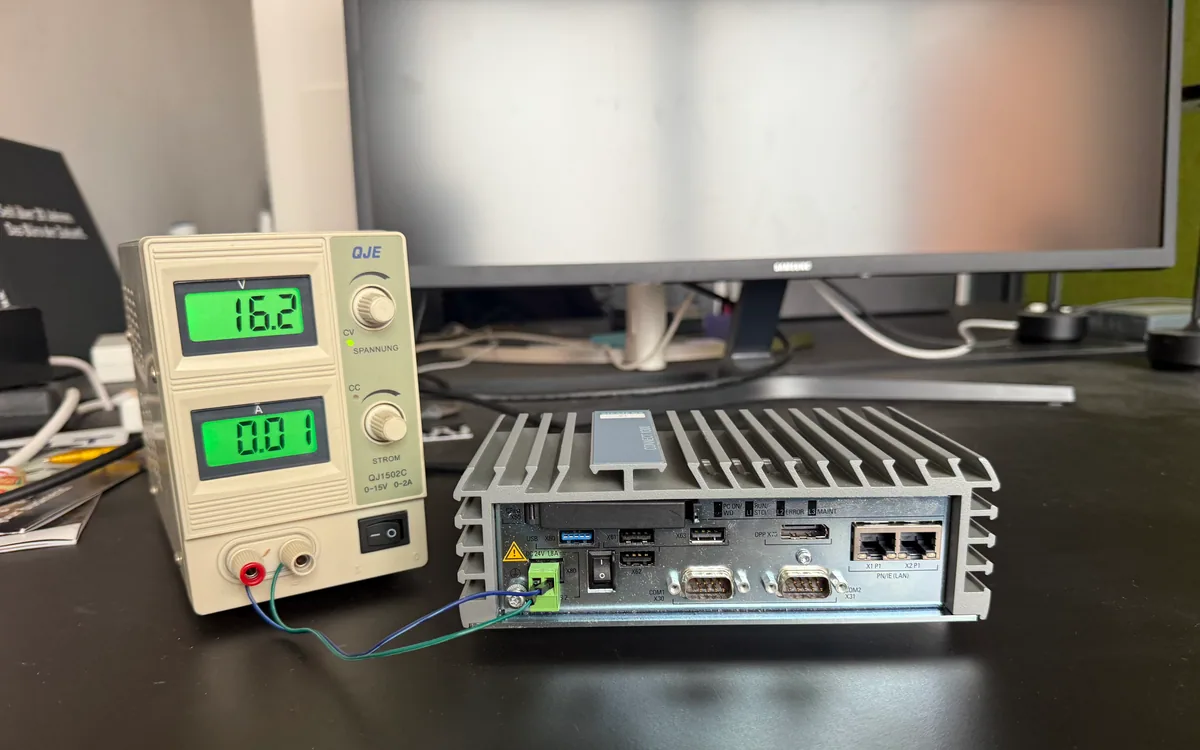
Why edge?
Edge AI moves critical logic to the site: local rules, OCPP session protection, fallback routing, load management and diagnostics stay active when the external connection is degraded.
Hardware & energy
Local integration for meters, PV, batteries, charge points and loads.
View controllerOperations & OCPP
Operator functions, OCPP Broker, Digital Twin and synchronization at site level.
View Edge CPMSSupport & AI
Local diagnostics for OCPP, charging power, meter data and recurring field issues.
View diagnosticsNext step